
Understanding the Night Sky
The night sky is constantly changing. Stars rise in the east and set in the west, different constellations appear throughout the year, and the Moon changes its position and phase every night. These changes...
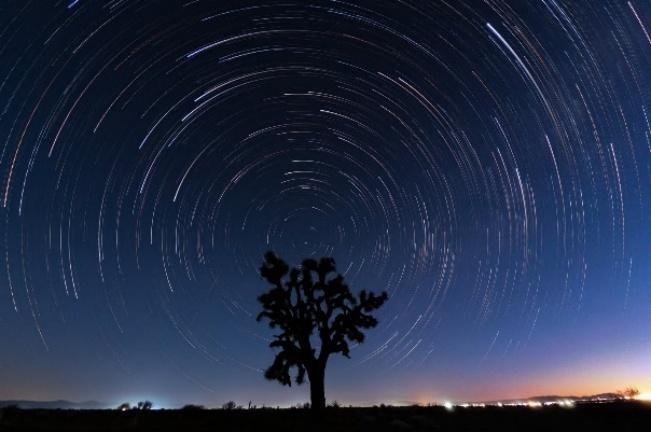
The night sky is constantly changing. Stars rise in the east and set in the west, different constellations appear throughout the year, and the Moon changes its position and phase every night. These changes are caused by the movement of the Earth, not the stars.
The Earth rotates once every 24 hours. This makes the Sun, Moon, planets, and stars appear to move across the sky from east to west.
At the same time, the Earth orbits the Sun once every year. As our position changes throughout the year, we see different parts of the universe in different seasons. This is why some constellations and deep-sky objects are only visible during certain months.
The planets also move across the sky because they orbit the Sun at different speeds and distances. Unlike the stars, their positions slowly change from night to night.
Understanding these simple movements helps you predict where celestial objects will appear and when they are best observed.
Two ways to describe a position
Right ascension and declination identify a position on the celestial sphere. They stay attached to the sky and are useful for catalogs. Altitude and azimuth describe where that position appears from your location at a particular time: altitude is height above the horizon, while azimuth is compass direction.
Planning software converts between the two. A target’s culmination is the point where it reaches its greatest altitude during that transit. Your latitude and the target’s declination determine how high it can rise, while the date and time determine when it gets there.
For a practical planning method, continue with Choosing the Best Subjects.
The night sky is always changing—not because the stars are moving around us, but because the Earth is moving beneath them.