Preface
How Lester Neo's foundation-first guide, Chris Hollander's community field notes, and a transparent AI-assisted editorial process come together in AstroGuide:Learn.
AstroGuide:Learn began with a foundation-first astronomy guide created by Lester Neo. His original work was built from practical observing and imaging experience under Singapore’s heavily light-polluted skies, with an emphasis on helping beginners develop a useful mental model before getting lost in specifications.
I am Chris Hollander, the creator of AstroGuide. I have edited and expanded Lester’s initial work for this site while preserving its central idea: understanding how the sky, atmosphere, equipment, observer, and processing workflow interact is more useful than memorizing isolated rules.
No single parameter—whether aperture, Bortle class, focal ratio, or sensor size—determines success on its own. The aim of Learn is to build a durable way of thinking that makes later choices easier: what to observe, what equipment fits the goal, how long to collect data, and how to understand the final image.
A guide informed by real community questions
The expanded edition also draws on a growing corpus of explanations I have shared in Facebook astronomy and astrophotography communities. These comments cover the questions that repeatedly arise in practice: filters, Alt-Az versus EQ operation, target selection, sub-exposure length, integration time, calibration, stacking, narrowband color, and processing.
The public Community Archive preserves the name-redacted original wording of those answers. Related source notes appear throughout Learn, allowing readers to see the field notes behind a topic or search for answers that have not yet become full articles.
These archive records are author provenance, not independent technical citations. When a claim requires verification, Learn uses separate documentation, scientific references, or clearly labeled editorial notes.
How AI assists the editorial process
AI-assisted tools help organize the comment corpus, detect recurring subjects, connect comments to existing pages, prepare drafts, and identify claims that need fact-checking. They also help reconcile the conversational Facebook material with Lester’s original guide.
I review and edit material before it becomes part of AstroGuide:Learn. The archive retains the original comment even when a later article adds context, corrects an overgeneralization, or reaches a more complete conclusion.
Contributors
Original author
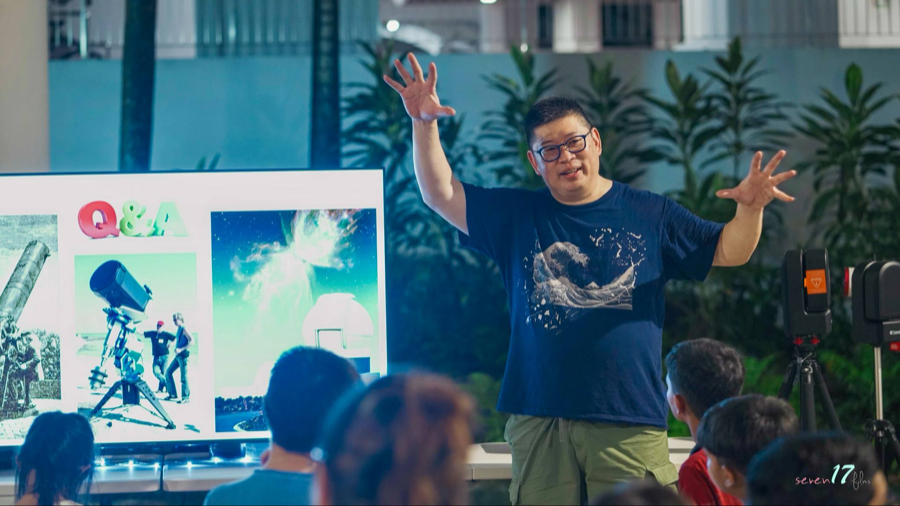
Lester Neo
Lester Neo is a Singapore-based amateur astrophotographer and astronomy educator whose original foundation-first guide anchors this site. His practical work makes sky imaging more approachable from heavily light-polluted urban conditions. Much of the original photography and field experience in the foundational edition is Lester’s work and remains credited to him.
Visit Lester Neo on Facebook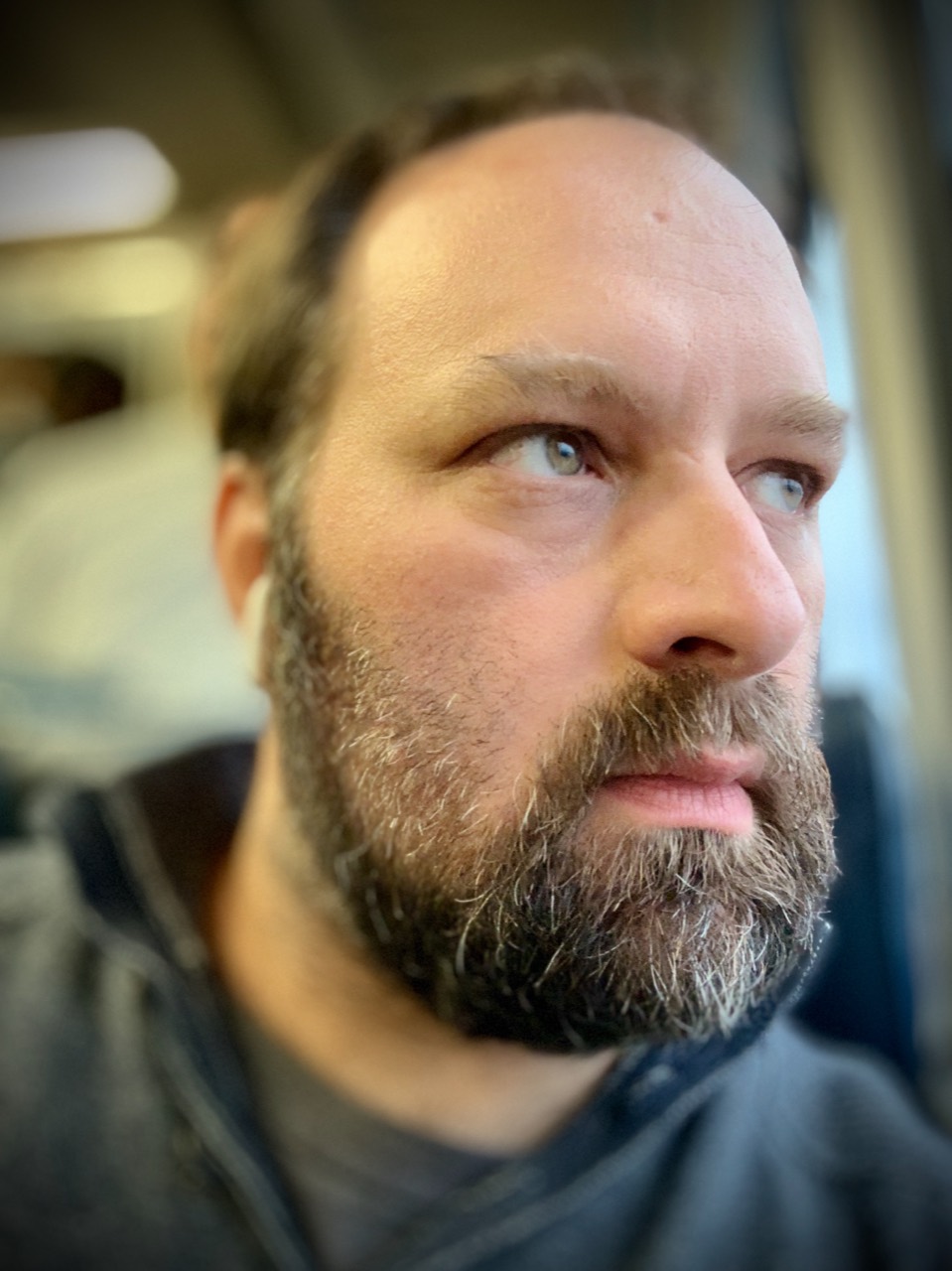
Editor and continuing author
Chris Hollander
Chris Hollander develops AstroGuide and maintains this edition of Learn. His ongoing contributions draw on product research, personal imaging and processing work, and the public community-answer corpus exposed through this site.
Visit AstroGuideCorrections and continuing development
Astronomy, equipment, and software all evolve, and both human- and AI-assisted work can contain errors. Learn is designed to make that process visible: dated community notes remain available, later guidance can explain what changed, and corrections can be made without pretending the earlier answer never existed.
Third-party product names, logos, and images remain the trademarks and copyrights of their respective owners and are used for educational purposes.