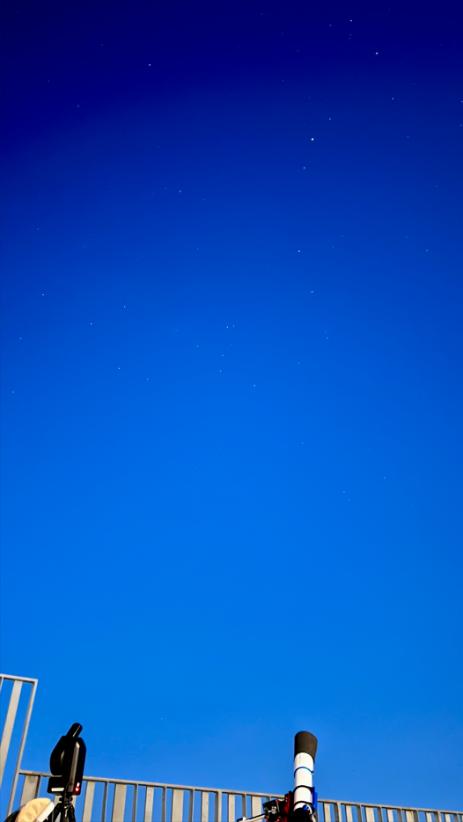
Transparency
Transparency describes how clear the atmosphere is and how easily light from space can pass through it.
Transparency describes how clear the atmosphere is and how easily light from space can pass through it.
A transparent sky allows more light from stars, nebulae, and galaxies to reach your eyes or camera. A poor transparency night can make the sky appear dull, even when there is little light pollution.
Transparency is affected by many factors, including, humidity and haze, thin clouds, smoke and dust, air pollution and moisture in the atmosphere.
Good transparency is especially important for deep-sky objects because they are often very faint. A darker location does not always guarantee better results if the atmosphere is unclear.
For astrophotography, a clear and transparent night can make a significant difference. More useful light reaches your camera, improving contrast and revealing finer details.
Transparency is not the same as seeing. Transparency describes how much light and contrast survive the atmosphere; seeing describes how steadily the atmosphere preserves fine detail. Thin cloud or humidity can scatter light and raise the background even when stars do not appear to twinkle strongly.
Poor transparency often shows up as changing gradients, fewer detected stars, and a higher rejected-frame rate. In a light-polluted area, thin cloud can make the sky brighter by reflecting artificial light downward.
Bortle 4
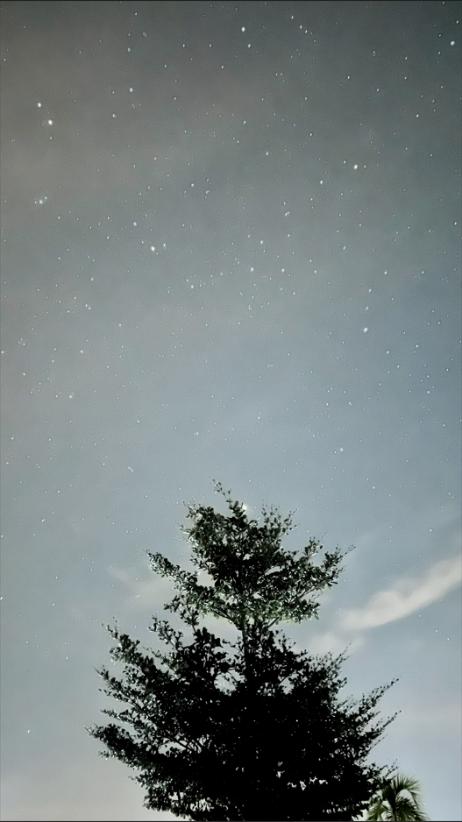
Bortle 6
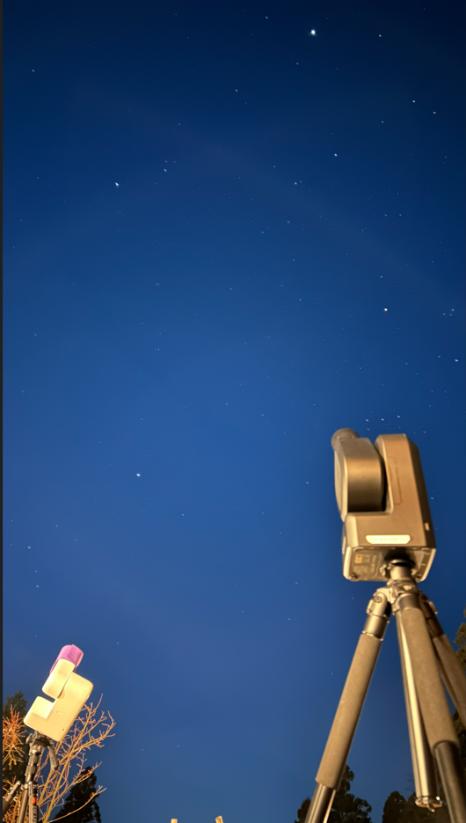
Bortle 9