Focal Length
Focal length is the distance between a telescope's optical system and the point where light is brought into focus. In simple terms, it determines how large an object appears and how much of the...
Focal length is the distance between a telescope’s optical system and the point where light is brought into focus. In simple terms, it determines how large an object appears and how much of the sky you can capture in an image.
160mm Focal Length
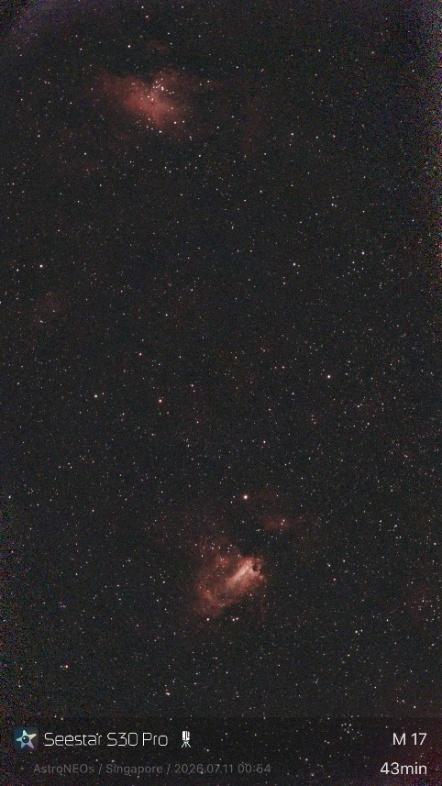
250mm Focal Length
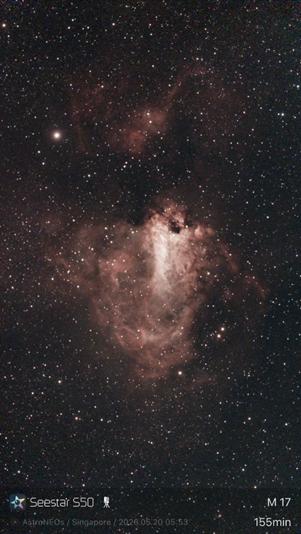
609mm Focal Length
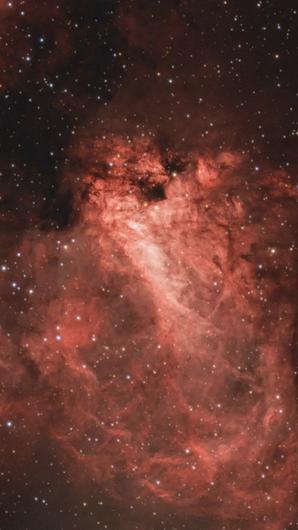
Longer focal lengths demand greater tracking accuracy, precise focusing, better guiding, and steadier atmospheric conditions. They increase image scale, not image quality—how good the final image still depends on the optics, camera, sky conditions, and data quality.
The field of view is set by focal length and sensor size. Match that rectangle to the target’s angular size and leave room for registration and cropping. A tiny subject may remain small in a wide field; a large nebula may overflow a narrow one.
A mosaic can extend the field, but every panel needs its own integration and overlap. Changing sky conditions, rotation, and background gradients can create seams, so a shorter focal length may be the more efficient and coherent choice.
Focal length determines how you see the universe—not how good your image will be.