The Moon
The Moon is often the first object people observe through a telescope, and it remains one of the most rewarding targets for beginners and experienced astronomers alike.
The Moon is often the first object people observe through a telescope, and it remains one of the most rewarding targets for beginners and experienced astronomers alike.
Although it appears close to Earth, the Moon is a world with its own landscape of mountains, valleys, craters, and ancient impact marks. Its surface details can be observed even with a small telescope or binoculars.
The Moon does not produce its own light. It shines because it reflects sunlight back to Earth.
As it orbits our planet, the amount of sunlight reflecting toward us changes, creating the different phases of the Moon.
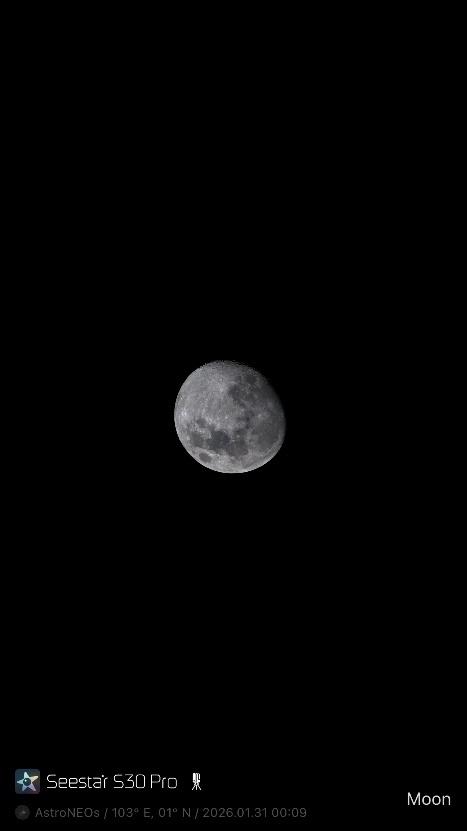
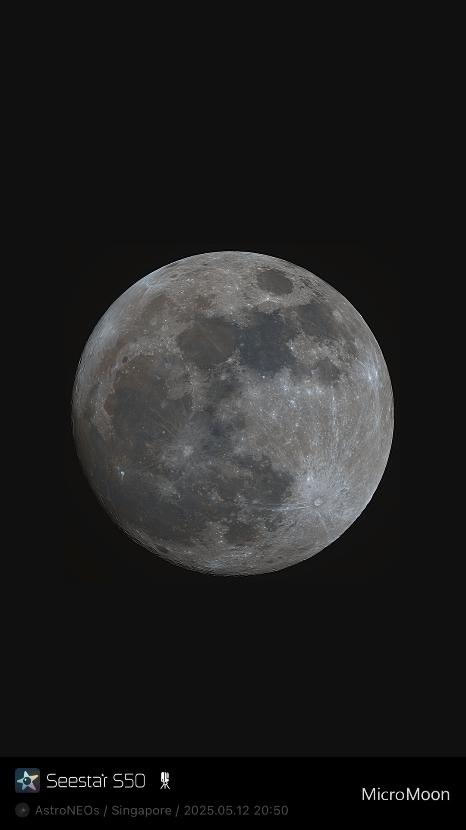
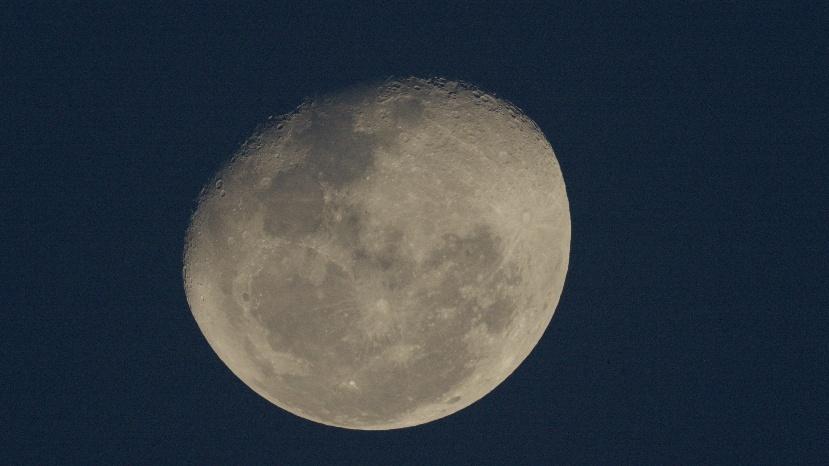
The Moon is also an excellent introduction to astronomy because it is bright, easy to locate, and changes noticeably from night to night. Observing the Moon helps beginners learn how telescopes work, how light behaves, and how celestial objects move.
For astrophotography, the Moon is very different from faint deep-sky objects. It is extremely bright and requires short exposures rather than long image captures.
The Moon is our closest neighbour in space and the perfect first step into astronomy.