
Other Types of Nebulae
Besides the familiar emission, reflection, and dark nebulae, there are several other fascinating types of nebulae. Although they are all classified as nebulae, they differ in how they are formed and what they represent...
Besides the familiar emission, reflection, and dark nebulae, there are several other fascinating types of nebulae. Although they are all classified as nebulae, they differ in how they are formed and what they represent in the life cycle of stars.
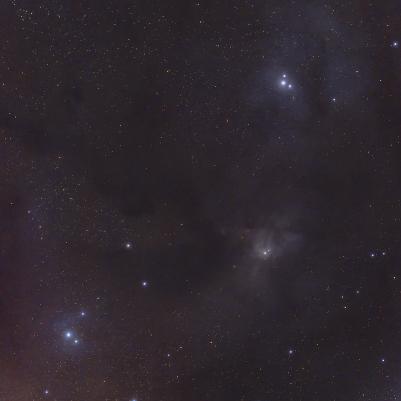
Molecular Cloud Complexes Molecular cloud complexes are vast clouds of gas and dust where new stars are born. They often contain emission, reflection, and dark nebulae, making them some of the largest star-forming regions in our galaxy. Examples: Orion Molecular Cloud, Rho Ophiuchi Cloud Complex, Taurus Molecular Cloud.
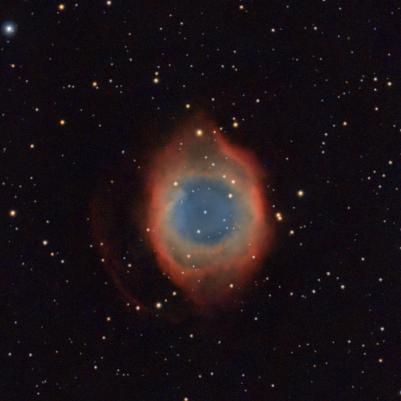
Planetary Nebulae Planetary nebulae are expanding shells of glowing gas ejected by dying Sun-like stars. Despite their name, they have nothing to do with planets. They are usually small, colourful, and rich in oxygen and hydrogen emissions. Examples: Ring Nebula (M57), Dumbbell Nebula (M27), Helix Nebula (NGC 7293).
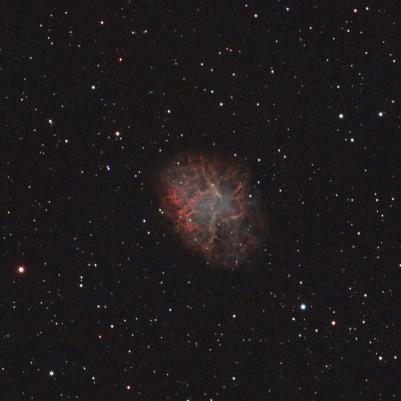
Supernova Remnants Supernova remnants are the expanding remains of massive stars that exploded as supernovae. These clouds of gas and dust are rich in intricate filaments and are popular targets for narrowband astrophotography. Examples: Veil Nebula, Crab Nebula (M1), Simeis 147.
Nebulae remind us that space is not empty. It is filled with vast clouds of material where stars are born, evolve, and shape the future of galaxies.
Nebulae are cosmic nurseries and time capsules, revealing the ongoing story of stars.