Nebulae
Nebulae are large clouds of gas and dust found throughout space. They are some of the most beautiful and popular targets in astronomy and astrophotography.
Nebulae are large clouds of gas and dust found throughout space. They are some of the most beautiful and popular targets in astronomy and astrophotography.
Many nebulae are regions where new stars are being born. As young stars form, their energy can illuminate the surrounding gas, creating colourful clouds of glowing material.
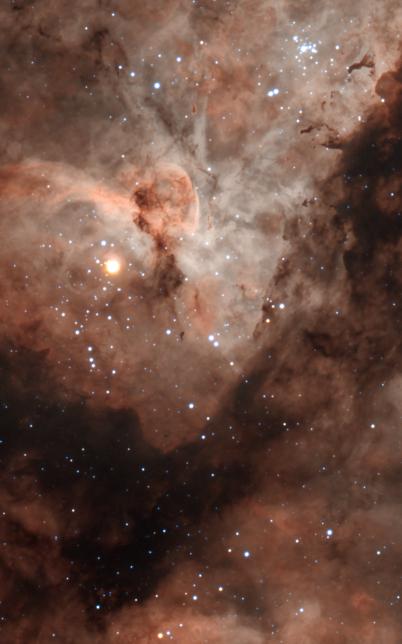
Emission Nebulae Emission nebulae are glowing clouds of ionised hydrogen gas illuminated by the intense radiation from nearby young, massive stars.
They are among the brightest and most colourful deep-sky objects, making them popular targets for astrophotography. Examples: Orion Nebula (M42), Lagoon Nebula (M8), Eagle Nebula (M16), Omega Nebula (M17).
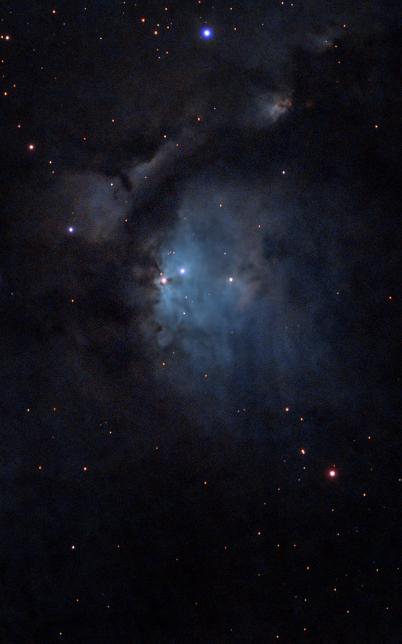
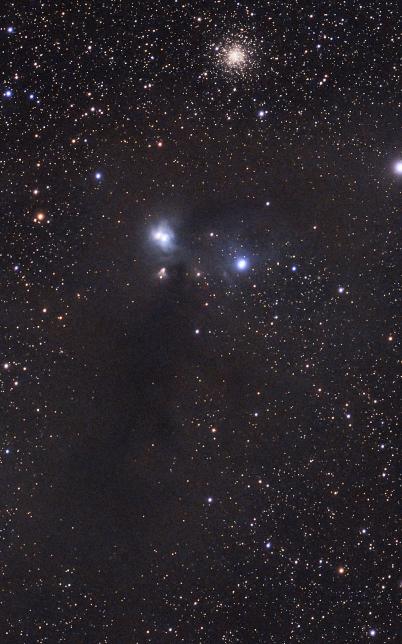
Reflection Nebulae Reflection nebulae are clouds of dust that shine by reflecting the light of nearby stars. Unlike emission nebulae, they do not produce their own light and often appear blue because dust scatters blue light more efficiently. Examples: Iris Nebula (NGC 7023), M78, Witch Head Nebula (IC 2118).
Dark Nebulae Dark nebulae are dense clouds of gas and dust that block the light from stars and nebulae behind them. They appear as dark silhouettes against the brighter background of the Milky Way and are important regions where new stars can form. Examples: Horsehead Nebula (Barnard 33), Pipe Nebula, Coalsack Nebula.
Nebulae are often much fainter than the Moon, planets, and star clusters. They usually require darker skies, longer exposure times, sensitive cameras, and careful processing to reveal their details.